History of Four Winds in Bonham, Texas
From railroad-era ownership and an 1883 Victorian residence to the Granny Lou’s legacy and Four Winds today, this is the documented story behind one of Bonham’s most recognizable historic stays.
Historic Stay Snapshot
Historical Visual Evidence
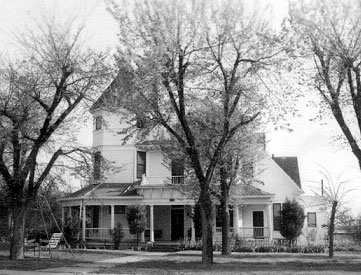
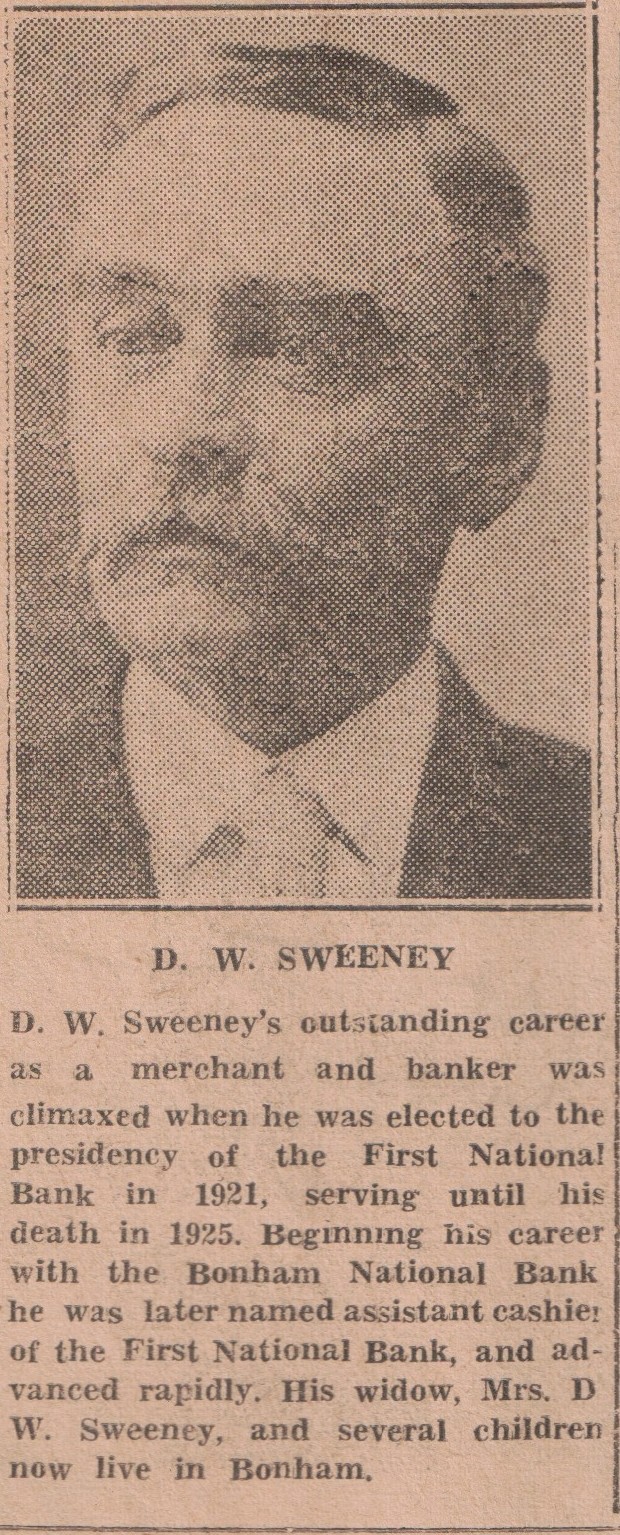
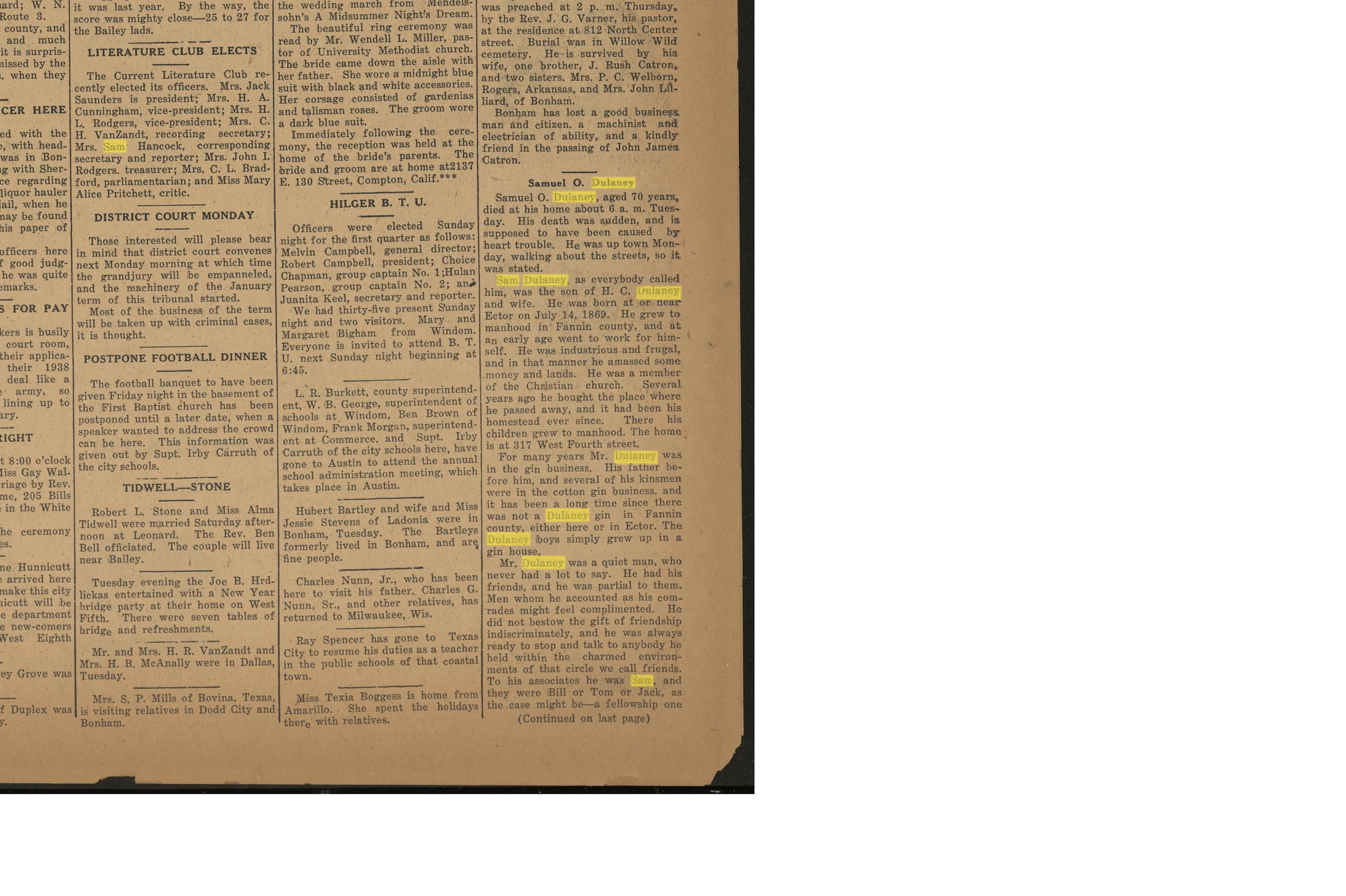
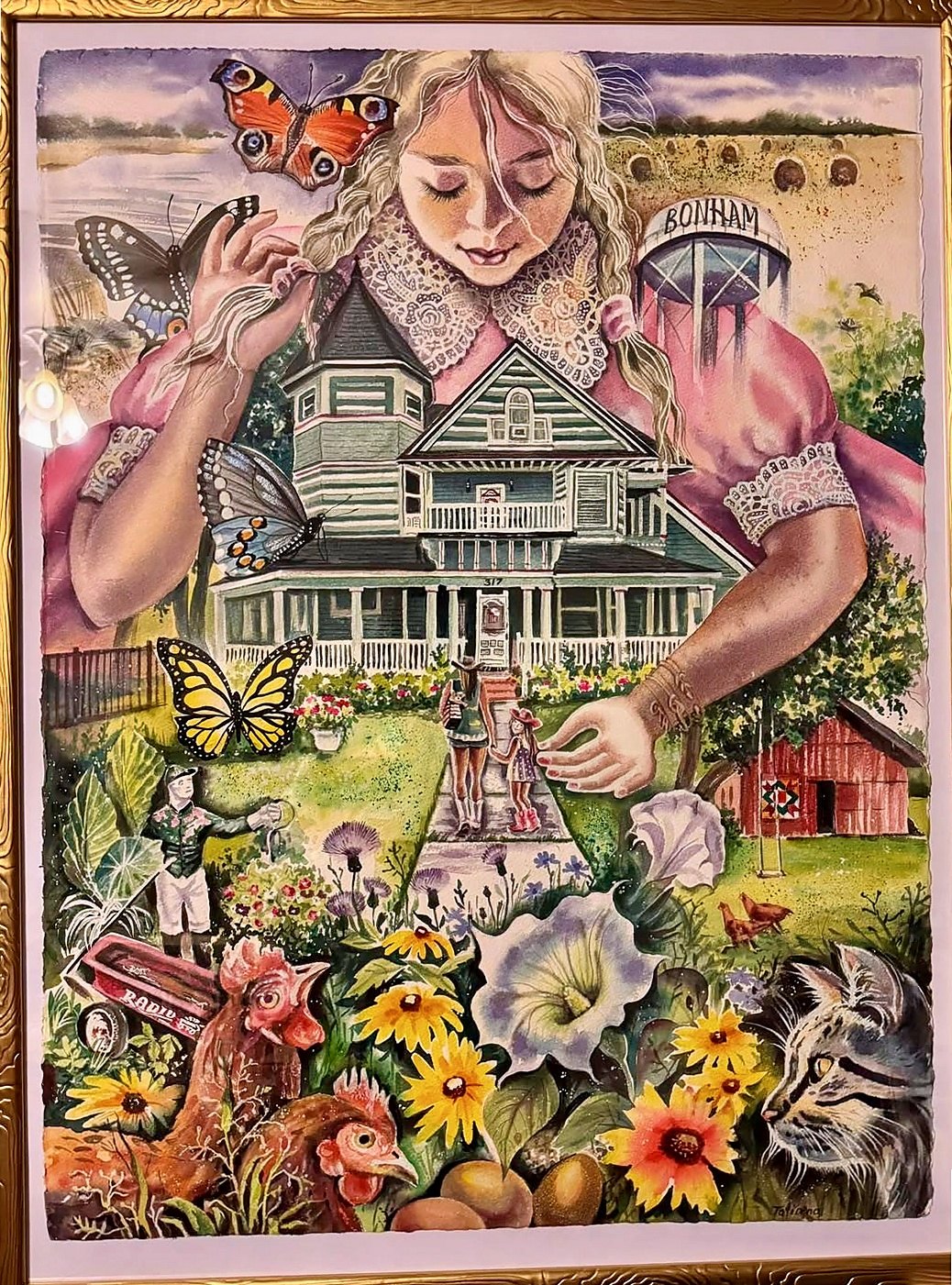
A Modern Painting of a Historic Bonham Property
Much of the Four Winds story is documented through records, photographs, and local context. The property also continues to inspire new visual work today.
Miss Bonham at Four Winds is a modern local artist’s interpretation of the property and its Victorian character, created by Tatiana Suvorova.
A Bonham Property With a Real Timeline
Four Winds is not a themed lodging concept built around borrowed history. The property has a documented ownership chain beginning in 1873, the year the Texas & Pacific Railroad reached Bonham, and the strongest current construction evidence ties the house to Holmes-era improvements in 1883.
Railroad-era beginning
The earliest documented ownership begins with Charles Doss during the same period Bonham was being reshaped by railroad access.
1883 construction anchor
James Peter Holmes is tied to documented 1883 improvements: house, smokehouse, and cistern.
Victorian expansion
Daniel Webster Sweeney, a major Bonham banking figure, is tied to the era when the property developed into its recognizable Queen Anne-influenced Victorian form.
Property Timeline
1873–1875 · Charles Doss
The earliest currently documented owner in the chain. This period lines up with Bonham’s railroad-era growth.
1875–1896 · James Peter Holmes
Holmes occupied the property before the documented 1883 improvements. Those improvements included the house, smokehouse, and cistern.
1896 · Holmes to Sweeney
The chain reflects a direct Holmes-to-Sweeney transfer, with Wheeler & Evans acting as transaction agent rather than interim owner.
1900–1918 · Daniel Webster Sweeney
Sweeney was a Bonham banker, postmaster, and later president of First National Bank. His era is one of the most important historical periods connected to the house.
1918–1980 · Dulaney Family
Samuel and Amanda Dulaney began the longest continuous family ownership period, lasting about 62 years and carrying the house through most of the twentieth century.
Granny Lou’s Era
The property later became known under the Granny Lou’s identity, with restoration, community recognition, and local hospitality history.
Four Winds Era
Today the property operates as Four Winds Victorian Venue and Suites, a direct-book historic lodging property in Bonham.
Confirmed Ownership Chain
| Period | Owner / Era | Historical value |
|---|---|---|
| 1873–1875 | Charles Doss | First named owner in the documented chain. |
| 1875–1896 | James Peter Holmes | Holmes-era 1883 improvements support the construction anchor. |
| 1896–1900 | Holmes to Sweeney | Direct transfer through Wheeler & Evans as transaction agent. |
| 1900–1918 | Daniel Webster Sweeney | Bonham banking and civic-history connection. |
| 1918–1980 | Samuel O. and Amanda Dulaney family | Longest known continuous family ownership period. |
| 1980 onward | Sowder, Munson, Watson commercial phase | Post-Dulaney transition before the modern Four Winds era. |
| Current | Four Winds Victorian Venue and Suites | Modern stewardship and direct-book lodging identity. |
The Sweeney Era
Daniel Webster Sweeney is one of the strongest historical entities connected to the property. He built a long Bonham career as postmaster, banker, and president of First National Bank. His ownership connects the house to Bonham’s civic and banking history rather than only to private residential history.
The Dulaney Era
The Dulaney family gives the property one of its deepest human-history layers. Samuel O. and Amanda Dulaney began a roughly 62-year family ownership period that carried the house across generations.
Historical materials also connect the property to the older address reference of 317 West Fourth Street, useful for historical interpretation while the modern public address remains 317 W Sam Rayburn Dr.
Granny Lou’s Legacy
Before the Four Winds era, the property became known locally through the Granny Lou’s identity. Wayne and Brenda Moore restored the home and helped create the legacy hospitality story later carried forward by other owners and community supporters.
That era matters historically because it shows the property was not only preserved as a private residence. It became part of Bonham’s visitor and community memory.
Victorian Architecture and Sanborn Map Evidence
Sanborn map evidence from 1902, 1909, and 1917 supports the house’s historic footprint and late-19th / early-20th-century residential continuity. The 1897 map remains useful but requires caution because historical numbering may differ from later address references.
1902
Supports a large 2½-story dwelling and historic residential footprint.
1909
Supports continued residential use and footprint evolution.
1917
Supports mature property footprint and continued historic residential form.
Documented Deaths and Local Folklore
The house history includes documented deaths across the Holmes, Sweeney, and Dulaney eras. These records belong in the historical timeline, not as proof of paranormal activity.
| Name | Year | Context |
|---|---|---|
| Baby Holmes | 1886 | Holmes era. |
| Kate Coppedge Townes Sweeney | 1902 | Sweeney era. |
| Ralph Lockhart Sweeney | 1912 | Sweeney era. |
| Samuel O. Dulaney | 1939 | Dulaney era. |
| Amanda Tennessee Dulaney | 1956 | Dulaney era. |
Paranormal Reports, Framed Correctly
Guests and visiting investigators have reported experiences they could not explain, especially in the main-house suites. Four Winds makes no scientific claims about the cause of those reports.
Main-house suites
Reported experiences are associated with Bailey Inglish Suite, James Butler Bonham Suite, and Sam Rayburn Suite.
Cottages
Judge Roy Bean Cottage and Burke Trammel Cottage have no documented paranormal reports in the current source stack.
Important boundary
Four Winds does not offer ghost tours, paid paranormal experiences, or investigation services.
History Questions
When was Four Winds built?
The active Four Winds source truth uses 1883 as the construction date, tied to documented Holmes-era improvements that included the house, smokehouse, and cistern.
Was Four Winds formerly Granny Lou’s?
Yes. The property previously operated under the Granny Lou’s identity before later becoming Four Winds Victorian Venue and Suites. Breakfast is offered. Contact Four Winds for current details.
Is Four Winds a current bed and breakfast?
No. Four Winds is a historic lodging property in Bonham, Texas. Breakfast is offered. Contact Four Winds for current details.
Can guests book the historic property directly?
Yes. Guests can check current availability and final pricing through the official direct booking link at https://book.fourwindsvenue.com.
Plan Your Bonham Stay
Four Winds gives Bonham visitors a documented historic property, private guest spaces, direct booking, and a stronger local story than a standard hotel room.